Price & value
How accident and title history should affect a price comparison
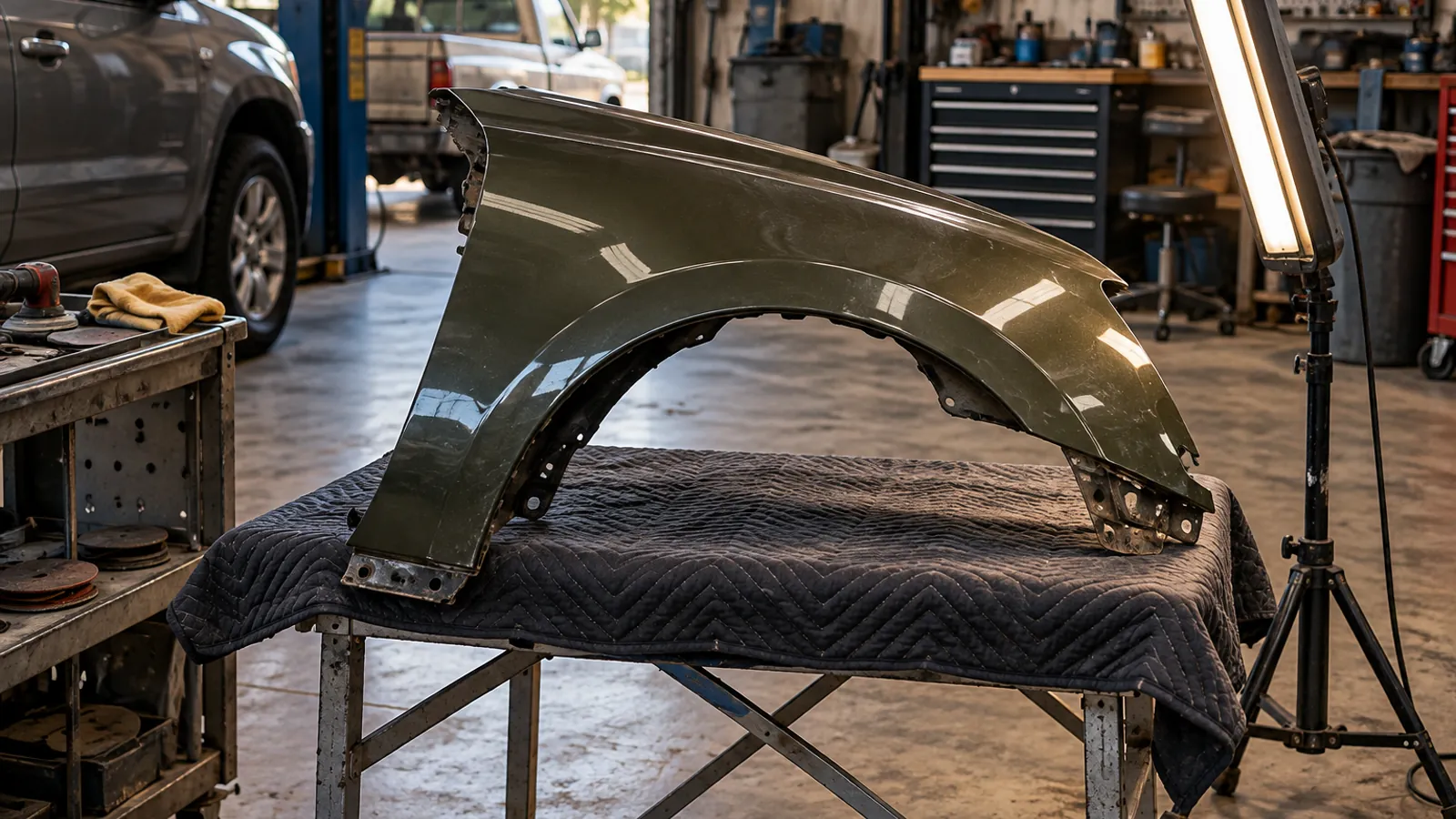
Assess the scope, documentation, repair quality, and unresolved risk of a history event without inventing a standard damage discount.
Separate an asking price from a supported buying decision.
Start with comparable vehicles, then account for the differences you can document. These guides explain how mileage, trim, condition, seller type, and immediate work change a comparison. They do not publish live market prices or assign a universal discount for damage. Use the same ZIP code, date, vehicle specification, and sale channel when comparing estimates. Save the listings behind your range and identify every assumption. A price guide can help frame your research; it cannot inspect a particular car or guarantee that a seller will accept an offer.
Before using an estimate, decide whether you need a trade-in, private-party, or dealer-retail reference. Those channels describe different transactions. Keep your evidence in a simple worksheet and update it when an inspection changes what you know. The aim is a transparent comparison that can survive a seller rejecting your offer. A lower number should never override an unresolved ownership or safety concern. For the final decision, compare the complete acquisition total and an ownership-cost scenario as well as the asking prices.
Price & value
Assess the scope, documentation, repair quality, and unresolved risk of a history event without inventing a standard damage discount.
Price & value
Use comparable evidence, repair findings, and an itemized purchase total to make a clear offer without payment-only negotiation.
Price & value
Compare mileage with maintenance and observed condition without inventing a per-mile discount or ignoring upcoming work.
Price & value
Build a personal ownership-cost comparison using acquisition, financing, running costs, and a clearly labeled resale assumption.
Price & value
Understand which transaction a valuation describes before comparing trade-in estimates, private listings, and dealer prices.
Price & value
Verify the actual trim, drivetrain, and installed equipment before paying a premium or comparing two apparently similar cars.
Price & value
Build a comparable-vehicle shortlist, adjust for documented differences, and separate market evidence from an asking price.