Trade-in, private sale, and dealer retail values explained
Understand which transaction a valuation describes before comparing trade-in estimates, private listings, and dealer prices.
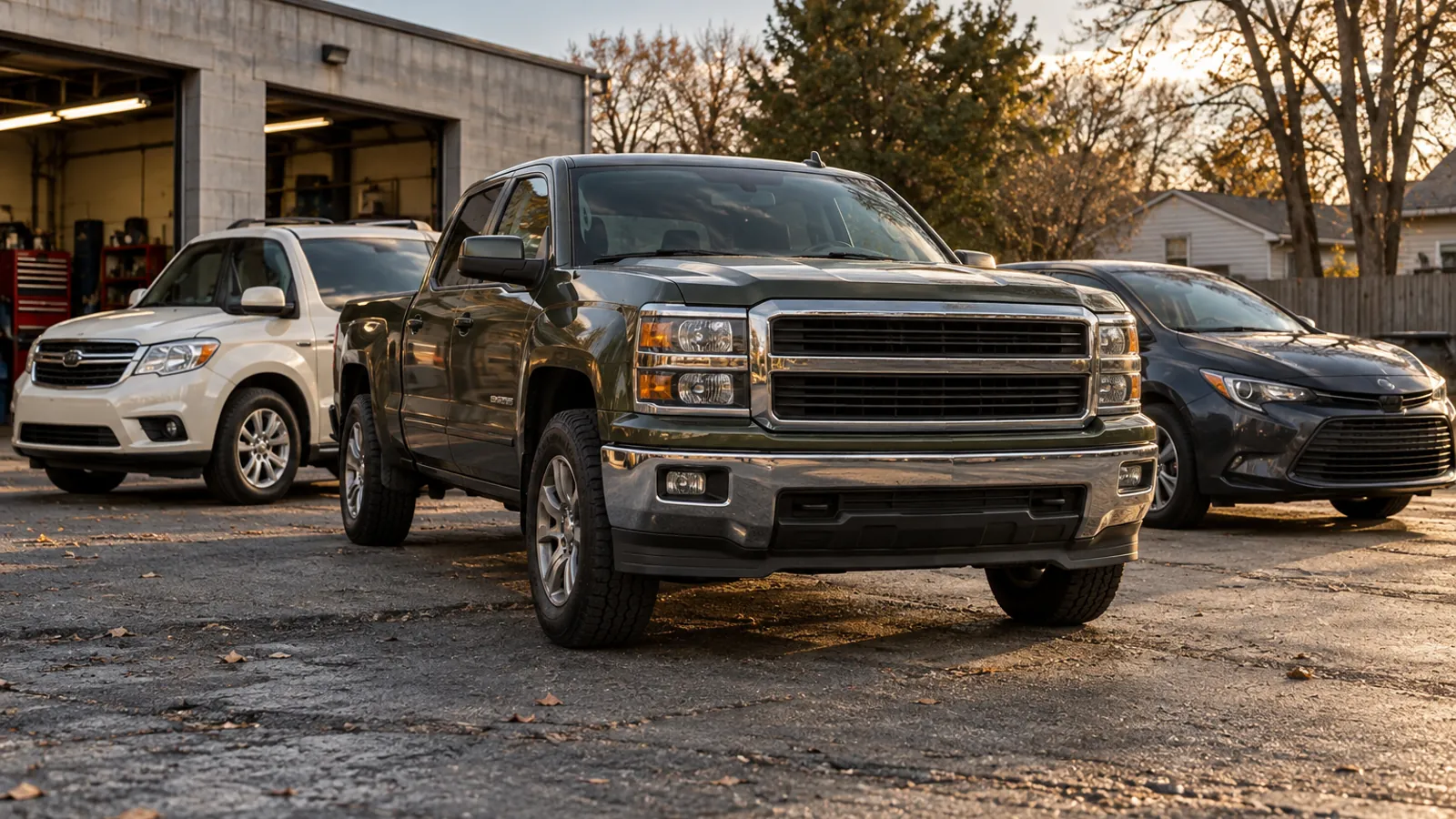
A trade-in estimate, a private-party asking price, and a dealer retail price describe different transactions. Label each figure before using it. A trade-in is part of disposing of your existing vehicle, a private sale involves a direct owner-to-buyer transaction, and dealer retail includes a business selling a vehicle to a customer. None of those labels alone proves the price is fair or the car is in good condition.
Start with the question the number answers
When a valuation tool asks for a sale type, use the channel you are actually considering. Record whether the number is an estimate, a conditional offer, an advertised price, or an agreed purchase price. Read any inspection requirement, expiration condition, location limitation, or outstanding-loan treatment. A number that appears firm online may still depend on accurate disclosures and physical verification.
For buying, compare alternatives available to you through the same channel where practical. For selling, compare the amount you expect to retain after the steps and costs you must handle. Avoid calling the difference between a retail advertisement and a trade-in quote pure profit. You do not have enough information to establish a business’s acquisition, preparation, operating, or sale costs from those two figures.
Dealer and private transactions need different questions
For a dealer vehicle, request an itemized cash price, read the Buyers Guide, and confirm any warranty terms and selected products in writing. A higher dealer price does not automatically include a meaningful warranty, a new inspection, or completed recall work. Ask for the evidence behind each claim. Inspect the actual car rather than assuming the sales channel guarantees a particular condition.
With a private seller, focus early on identity, authority to sell, title status, liens, and the state transfer process. Do not infer that a private seller can promise the same contract protections as a dealer. State law and the actual documents matter. Get independent advice about disputed ownership or unclear contractual rights, and do not hand over funds based only on a photograph of a title.
| Figure | What to verify | Common comparison mistake |
|---|---|---|
| Trade-in estimate | Conditions, inspection, loan payoff | Treating gross allowance as cash equity |
| Purchase offer from a buyer | Net amount and completion steps | Ignoring deductions or expiration |
| Private listing | Seller authority and actual condition | Treating an asking price as a completed sale |
| Dealer listing | Itemized price and selected products | Comparing the headline alone |
| Retail valuation | Condition grade and location | Using it as a binding offer |
Separate your trade from the replacement car
Ask for the replacement vehicle’s price, the trade allowance, the payoff, and the financing terms as separate lines. Otherwise a better-looking trade allowance can conceal a higher replacement price or different finance terms. Compare a no-trade purchase scenario where possible. Keep any jurisdiction-specific trade-in tax treatment separate and verify it with the registering state’s revenue agency.
In an illustrative transaction, a $9,000 trade allowance with a $6,500 verified payoff leaves $2,500 before any other adjustments. That arithmetic is $9,000 minus $6,500, not $9,000 available for the new purchase. If the payoff were $10,000 instead, the trade would have a $1,000 shortfall. Rolling that shortfall into another loan increases the amount borrowed; it does not make the old debt disappear.
Compare convenience alongside the money
Selling privately may require advertising, responding to inquiries, arranging safe meetings, managing payment verification, and completing transfer steps. A trade may simplify some of those tasks. Those are practical tradeoffs you can evaluate without assigning them an invented nationwide dollar value. Decide how much time and uncertainty you can reasonably take on before choosing the channel.
Also consider what happens if the transactions do not occur together. You may need temporary transportation or a way to repay an existing lien before receiving sale proceeds. Ask the lender and motor vehicle agency about the applicable process rather than assuming that a signed bill of sale releases a lien. Record who will do each step and when you will receive confirmation that the old loan is resolved.
Put the channels into one decision sheet
Use the price-range guide for comparable research and asking-price negotiation for a written offer. Then review loan and trade equity before borrowing. If one option is cheaper only because it omits inspection, transfer, or repair costs, add those items openly rather than treating them as free.
Set a clear decision rule: the acceptable net proceeds for a sale, the acceptable total for a purchase, and the unresolved evidence that would make you stop. Keep records for both vehicles. A convenient transaction can still be a poor financial choice, while the highest headline allowance may produce a worse net result. Choose using the complete transaction and your own priorities, not a single number in a valuation screen.
Continue in this section
- How to build a defensible used car price range
- From asking price to a written used car offer
- Compare used cars by ownership cost, not just price
FAQ
Why are the values different?
They reflect different sale contexts and assumptions. They may also come from different datasets and dates. Read the definitions, compare the vehicle details, and avoid treating every figure as interchangeable evidence of what you can receive today.
Is a dealer price always higher?
Do not assume a fixed ordering for every car and market. Compare actual available vehicles and itemized offers. A vehicle with different history, condition, or required products is not a direct match just because the model year is the same.
Can I count the full trade allowance as a down payment?
Only after accounting for the payoff and other adjustments. Ask for a current payoff from the lender and read the purchase documents. The amount of equity applied to the next purchase should be clear before you sign.
Sources
- CFPB shopping preparation — researching a trade-in and a budget.
- CFPB auto loan comparison — comparing the complete financing terms.