How to book and use a pre-purchase inspection
Agree the inspection scope, share known concerns, and turn written findings into a purchase decision rather than a false guarantee.
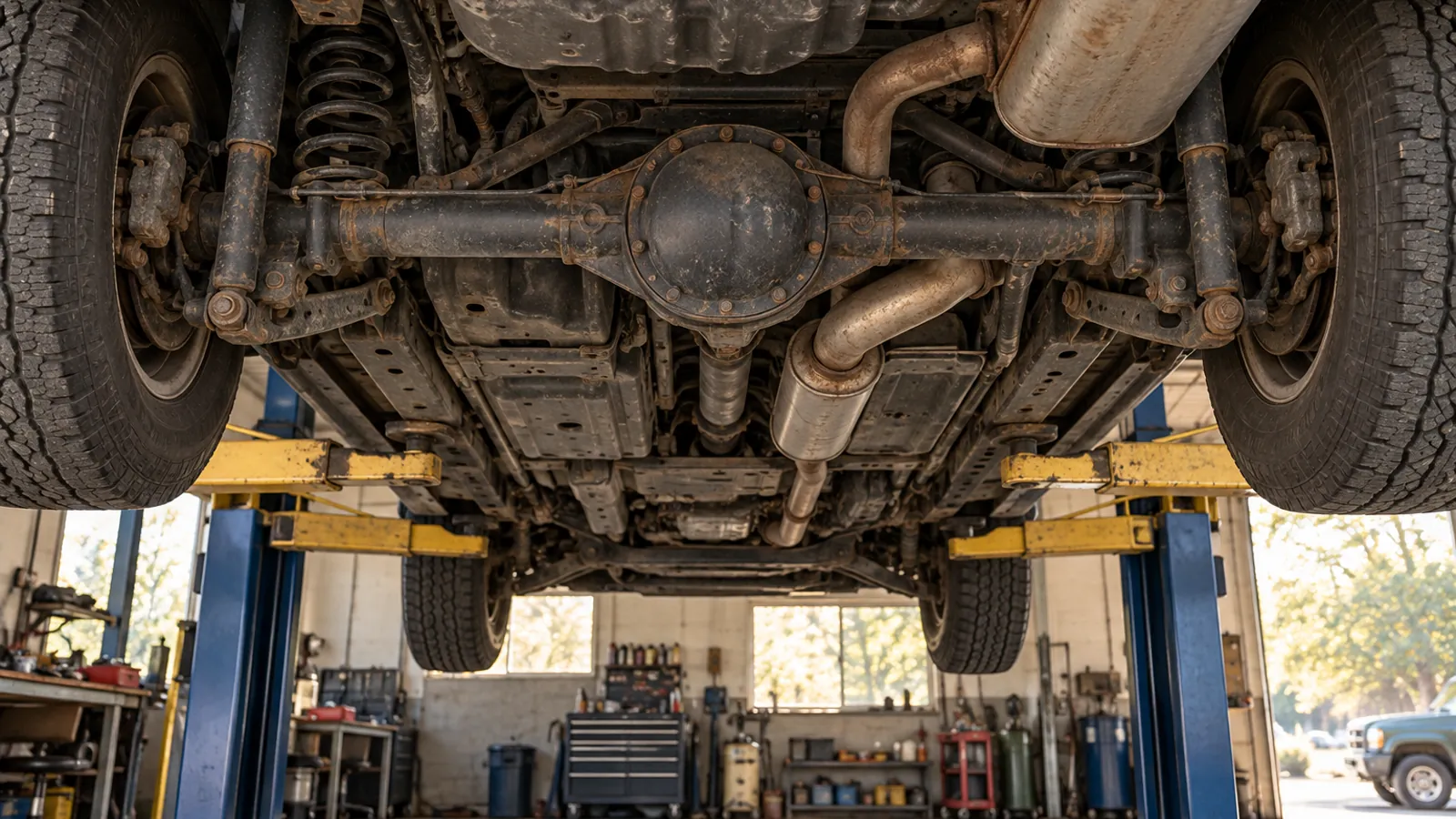
Book an independent pre-purchase inspection before committing to a used car, with a scope suited to the vehicle and its known history. Tell the inspector what you need to decide and ask what the assessment excludes. A report of observed condition is useful evidence, not a guarantee against future failure. Get findings in writing and resolve important diagnostic or safety questions before relying on a repair allowance.
Choose the scope before choosing the appointment
Ask whether the shop is equipped for the vehicle’s powertrain and any specialized concerns. A routine inspection, structural assessment, water-damage investigation, and high-voltage battery evaluation are not interchangeable services. Describe known report events, warning lights, unusual noises, modifications, and your intended use. Ask whether the proposed inspection can address those questions or whether a specialist is needed.
Confirm whether the assessment includes a lift, diagnostic scan, road test, tire and brake observations, fluid-leak checks, and review of available maintenance records. The exact scope is a matter to agree with the provider, not a universal checklist guaranteed by the phrase pre-purchase inspection. Ask what cannot be assessed without disassembly or further testing. An inexpensive appointment that excludes your main concern may not answer the buying question.
Agree logistics with the seller
Obtain permission for the car to be inspected and confirm transport, timing, insurance, payment, and authorization for any diagnostic work. Ask the shop not to perform repairs or additional chargeable work without the appropriate approval. A mobile assessment may be useful, but ask how the lack of a lift or other equipment affects the scope. Do not assume it duplicates every shop-based check.
If the seller refuses access to an independent inspector, treat that as a decision issue rather than trying to substitute a report or a quick walkaround. You can choose another vehicle. If a deposit is involved, read its written conditions before paying; inspection arrangements do not automatically establish a right to a refund. Keep a record of what was agreed and avoid signing a purchase commitment that you do not understand.
Give the inspector a concise briefing
Supply the VIN, mileage, listing, relevant history excerpts, and your question list. Explain whether a symptom occurs on startup, under braking, at a particular speed, or with certain equipment. Do not ask the inspector to confirm your preferred diagnosis. Ask for observations, possible causes where appropriate, and the next step required to narrow uncertainty. Distinguish a confirmed defect from a recommendation for further testing.
| Finding category | Ask for | Buying implication |
|---|---|---|
| Immediate safety concern | Specific observation and recommended action | Pause driving or purchase as advised |
| Confirmed repair | Scope, parts/labor assumptions, estimate | Add a documented cost scenario |
| Maintenance due | Schedule and available evidence | Plan near-term work |
| Undiagnosed symptom | Further test and cost of diagnosis | Keep the purchase decision open |
| Cosmetic issue | Extent and optional remedy | Decide according to your priorities |
Make sure the report identifies the actual vehicle and date. Ask for photographs or measurements where they clarify a finding. A verbal summary can be helpful, but the written record is easier to compare with repair quotes and the final agreement.
Convert findings into a decision
Create three lists: work required before use, work you could arrange soon after purchase, and unresolved questions. Obtain written estimates for important confirmed repairs. Ask whether one estimate depends on another diagnostic step. Avoid subtracting a guessed repair cost from the asking price and calling the issue solved. Unknown causes can affect safety, timing, and total cost in ways the initial allowance does not cover.
In an illustrative example, a car is offered at $16,500 and a written tire quote is $700. Its price plus that known work is $17,200 before taxes and other costs. If a separate transmission symptom remains undiagnosed, the $17,200 is not a complete acquisition-and-repair estimate. Either investigate the symptom with an appropriate specialist or decline the car. The known $700 item should not distract from the larger unresolved question.
Keep the inspection separate from ownership checks
The mechanic’s report does not establish the seller’s legal authority, remove a lien, or replace a title-history review. Use the buying plan, private-sale guide, and history-report guide for those steps. The test-drive guide helps organize your own observations without attempting a diagnosis.
If the seller agrees to complete work, get the promise, scope, timing, and evidence in writing before signing. Consider whether verification after the work is appropriate. Keep the original inspection and any completion records. Consult a qualified specialist when the car has structural, flood, complex electronic, or high-voltage concerns beyond the booked assessment. The right outcome may be a revised offer, further investigation, or ending the purchase; the inspection does not have to justify buying the car to be useful.
Continue in this section
- A used car buying plan: shortlist to handover
- A practical used car viewing and test-drive worksheet
- Buying a used car from a private seller: a verification plan
FAQ
Is a dealer inspection enough?
It can supply information, but ask who performed it, what was checked, and whether you can obtain the findings. An independent assessment commissioned for your decision can address concerns that the seller’s preparation checklist does not cover.
Can a mechanic guarantee the car will not break down?
Do not expect that from a pre-purchase assessment. Many internal components and future events cannot be fully evaluated during a limited inspection. Read the provider’s terms and ask about the scope rather than treating a favorable report as a warranty.
Should every finding reduce the price dollar for dollar?
There is no automatic rule. Consider the overall condition, asking-price context, comparable alternatives, and whether the work has been priced reliably. Some findings should stop the purchase until clarified rather than merely change the offer.
Sources
- FTC buying a used car — independent inspection and written repair information.
- DOJ used car buying tips — combining inspection with other research.