A used car buying plan: shortlist to handover
Follow an evidence-first sequence for the budget, seller checks, inspection, paperwork, payment, and ownership transfer.
Buy a used car in stages: set the budget, verify the candidate and seller, investigate records, inspect and test it, reconcile the written terms, then complete payment and transfer through a verified process. Keep unresolved questions visible. You do not need to finish every stage for every listing; early screening should prevent spending time and money on cars that do not meet your basic requirements.
Stage one: define the decision before shopping
Write your total acquisition limit, monthly cash-flow limit, intended ownership period, and essential requirements. Include insurance, routine running costs, and a reserve appropriate to your situation. Do not start with a maximum loan payment and let the rest of the transaction expand around it. A smaller payment can reflect a longer commitment rather than a lower cost. Keep borrowing approval separate from your own affordability decision.
Next create a shortlist template with vehicle identity, asking price, seller type, mileage, reported title information, known work, and evidence still needed. Use the price-range method to compare actual alternatives. Save listings with their collection dates. If the car is too far away to inspect sensibly, include the travel and process burden before treating it as a cheaper equivalent. Do not assume transportation costs are included.
Stage two: screen the car and seller
Ask for the VIN, the seller’s relationship to the vehicle, title status, known liens, available records, and whether an independent inspection is permitted. Match information across the listing, documents, and actual car. For a private sale, ask the relevant motor vehicle agency how to verify and complete the transfer. For a dealer, request the itemized cash price and read the Buyers Guide rather than relying on a showroom description.
Do not send a payment simply to obtain basic identity information or hold a car whose ownership you have not investigated. If a seller introduces a separate shipping service, escrow service, or payment recipient, verify that party independently. A reassuring website or emailed document does not establish authenticity. Keep communications in a form you can retain, but avoid collecting or sharing unnecessary personal documents during early screening.
Stage three: build the evidence folder
Combine the available vehicle history with a recall search, maintenance records, and inspection planning. These checks answer different questions. A history report can contain reported past events; it cannot guarantee current condition. A recall lookup is not a repair invoice or a general safety certificate. A service record does not prove the absence of an unrelated defect.
| Stage | Evidence to keep | Decision |
|---|---|---|
| Budget | Acquisition and running-cost sheet | Can the plan fit your finances? |
| Identity | VIN and seller/transfer information | Is this a legitimate candidate? |
| Records | Reports, timeline, maintenance evidence | What needs explanation? |
| Inspection | Written scope and findings | Is the condition acceptable? |
| Agreement | Itemized offer and product terms | Does the deal match the plan? |
| Completion | Signed copies and payment/transfer records | Have responsibilities been completed? |
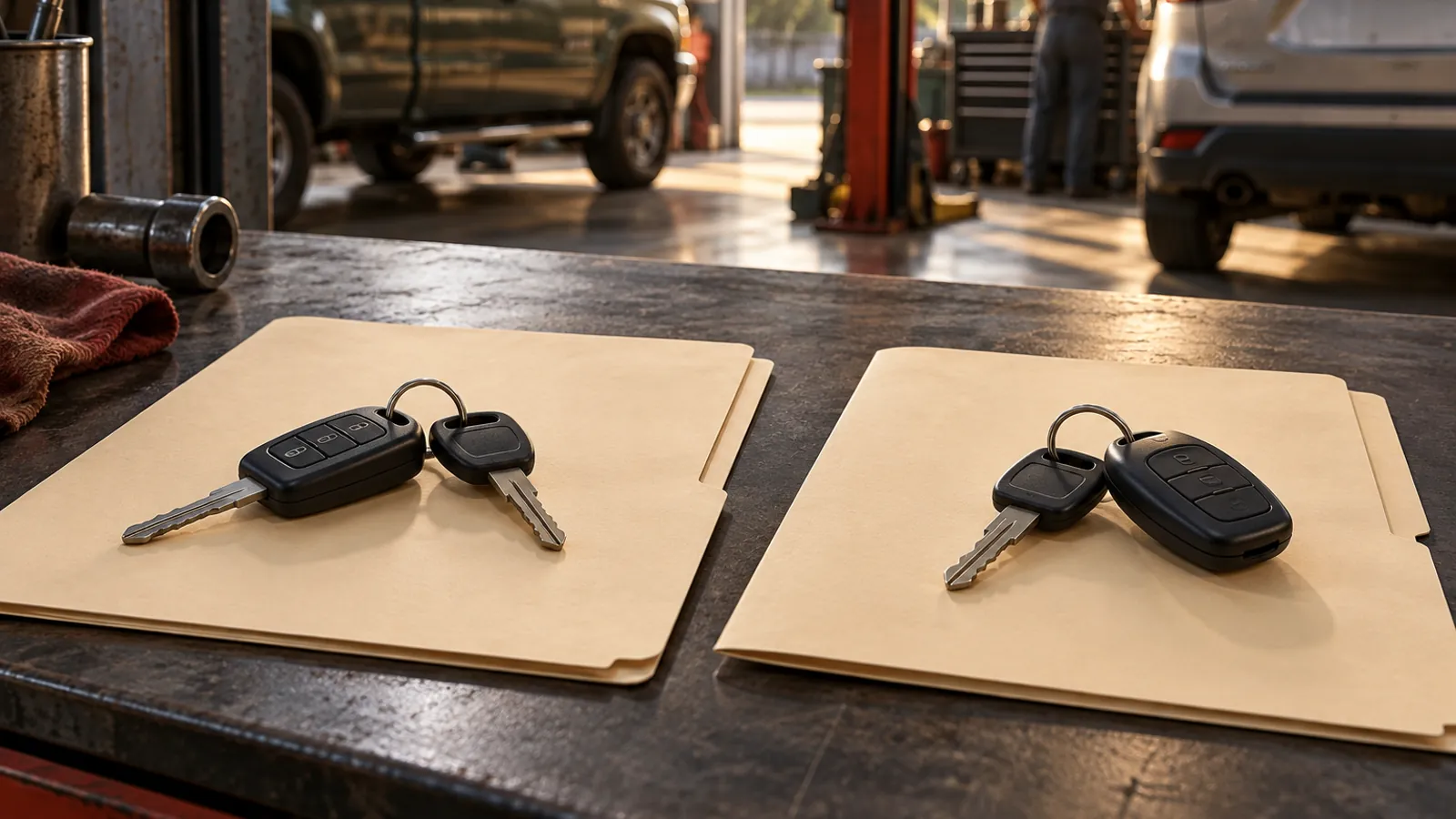
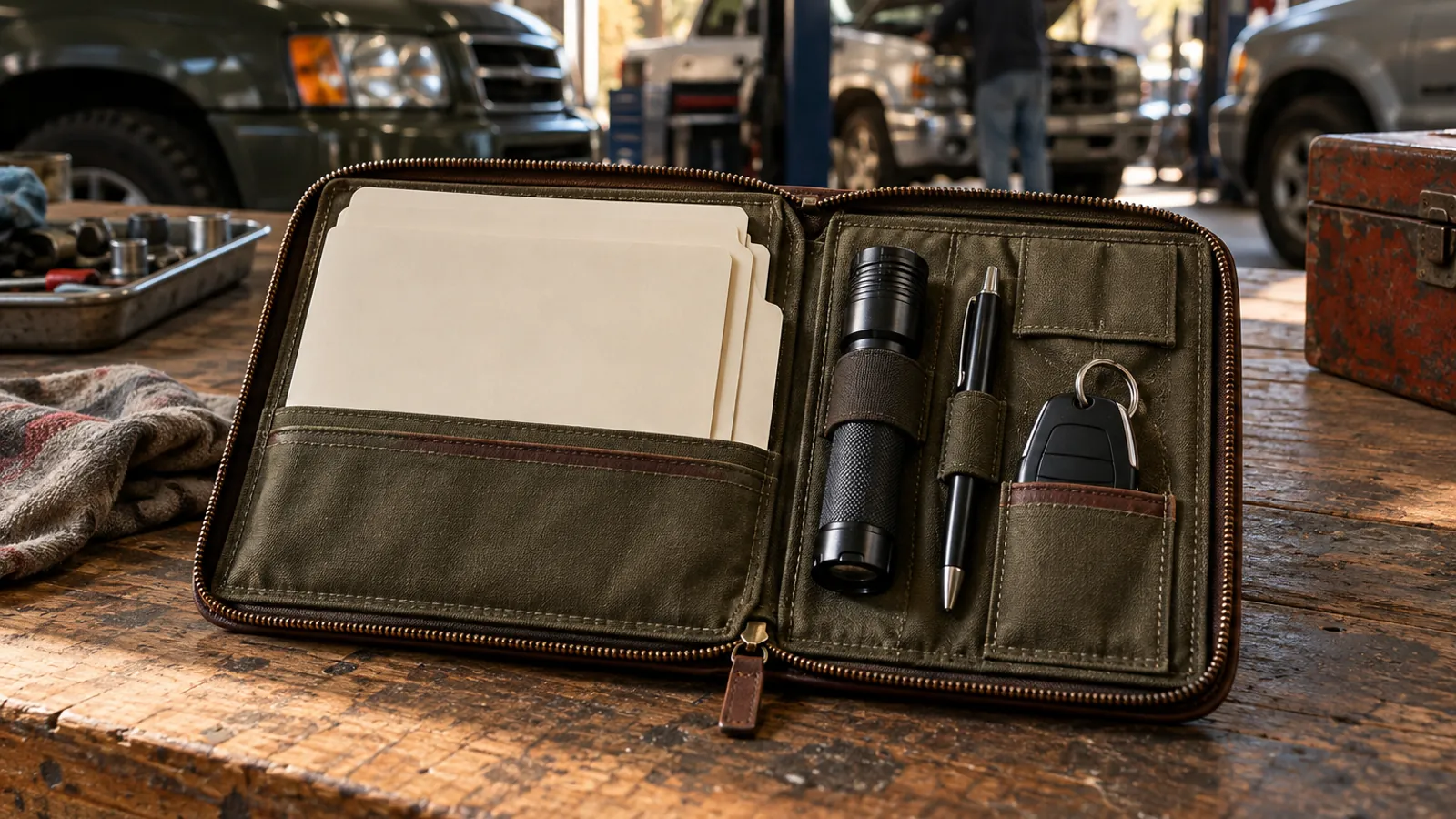
Use a separate folder for each vehicle so records do not migrate between candidates. Make a short question list from inconsistencies instead of expecting an inspector to infer every concern from a stack of documents.
Stage four: inspect before committing
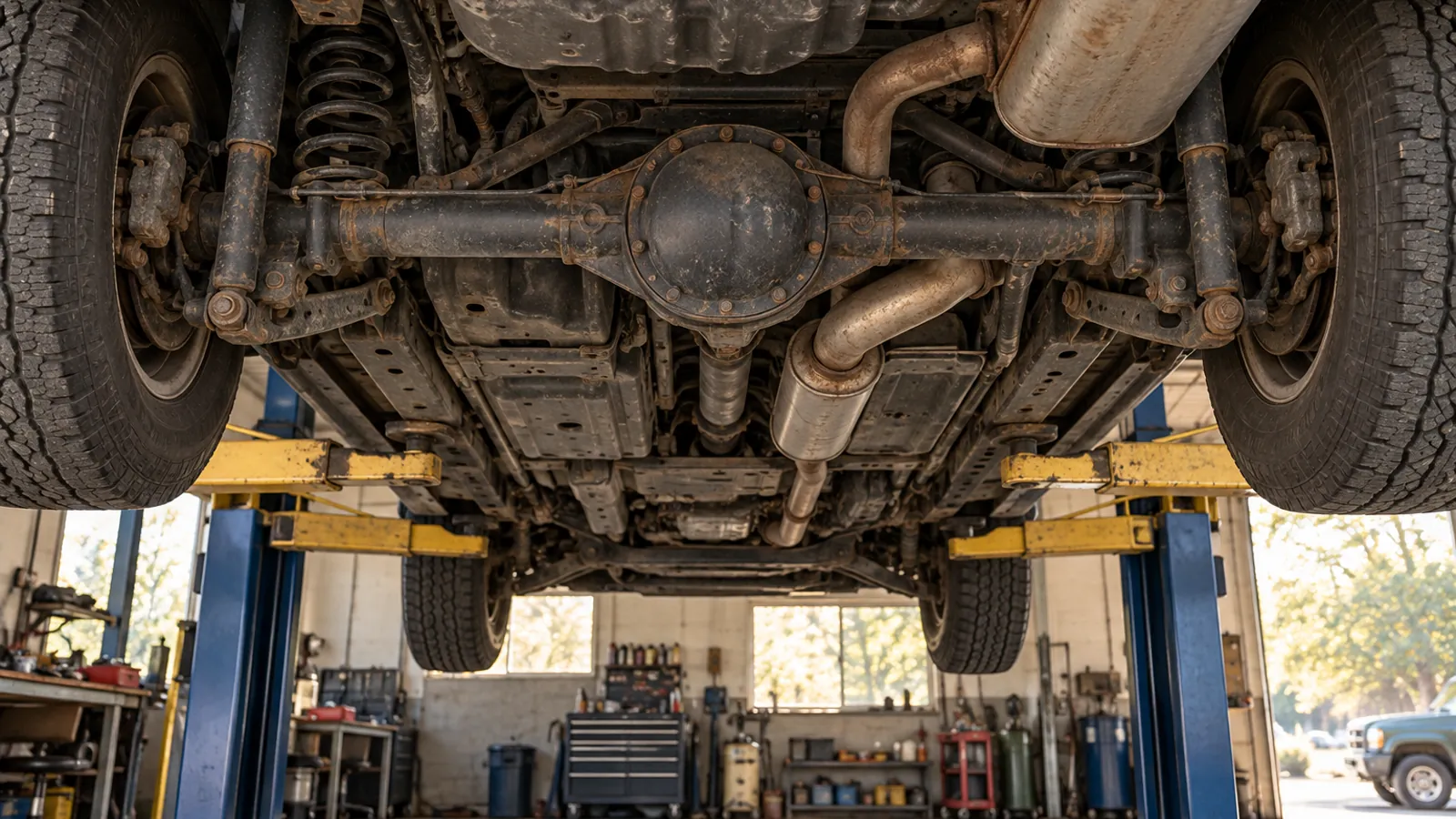
Book an independent inspection with a scope suited to the vehicle and its history. Ask about access to the underside, diagnostic work, road testing, and any systems that need specialist expertise. Agree who authorizes and pays for the work. A seller’s inspection can provide useful information but does not eliminate the value of an assessment chosen for your own decision.
Before booking, review the out-the-door budget, loan and trade equity, and private-sale verification plan where relevant. Use the inspection guide and test-drive worksheet together. If a finding requires diagnosis, resolve it before assigning a confident repair amount. Decide whether the car still meets your requirements. A discount should not become a substitute for resolving an ownership problem or understanding a safety concern. Walk away if the seller will not allow the evidence you need.
Stage five: reconcile and complete
Request a revised itemized offer after negotiations and confirm every selected product, promise, and fee. Run the out-the-door budget and loan and trade equity review. Ask about any deposit’s written conditions before sending it. Read the final contract; do not sign blank or incomplete documents. Get qualified advice if a material term is unclear.
Then follow signing and handover and the private-sale process where relevant. Verify the payee, payment instructions, title documents, keys, and included accessories. Confirm insurance arrangements before taking possession and complete the registering state’s required steps. Keep proof of the transaction and any lien resolution. Your checklist is complete only when the supporting evidence and responsibilities are accounted for, not when the seller says that everything is standard.
FAQ
What should I do before paying for a report?
Confirm the VIN and whether the vehicle otherwise meets your basic budget and requirements. Then decide what information you need and choose the appropriate source. A report is useful only when it concerns the actual candidate and is read with its limitations.
Should I inspect before negotiating?
You can discuss an initial range, but make any commitment and deposit terms clear. An inspection may change your decision or the offer. Do not assume you can automatically recover money if the findings disappoint you; read the written terms.
When should I stop the process?
Stop when important identity, ownership, safety, affordability, or contract questions remain unresolved. Time already spent is not a reason to accept a poor decision. Keep the evidence and compare the next candidate using the same standards.
Sources
- FTC used car buying guide — inspection and transaction preparation.
- DOJ used car buying tips — combining history research and independent inspection.